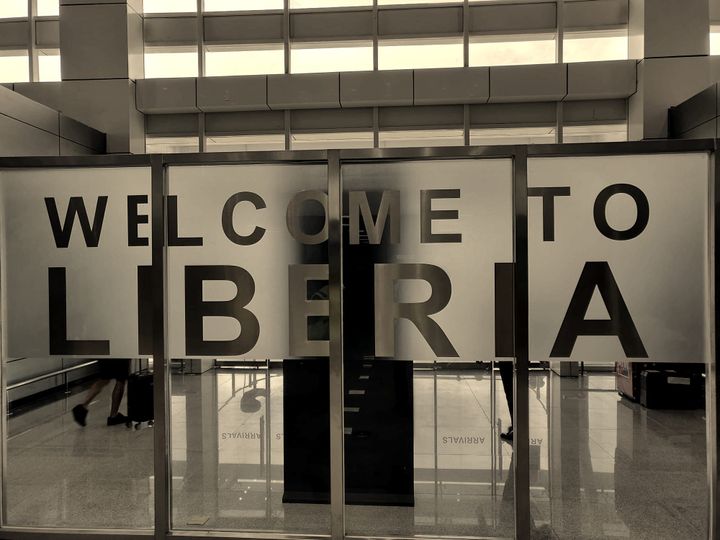
Aliens and native strangers Two hundred years ago, the United States built Liberia as a place to ship its unwanted "aliens." Now it's using the country for the same purpose again.
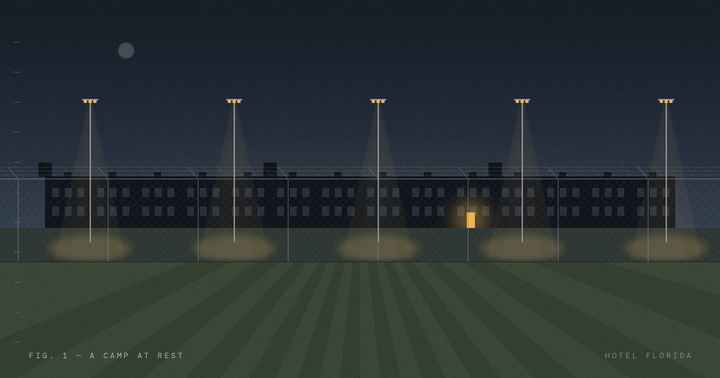
How to Close a Camp, and Keep It Closed John Washington's new manual for fighting immigrant detention, out now from Haymarket Books, and the step past its final page.
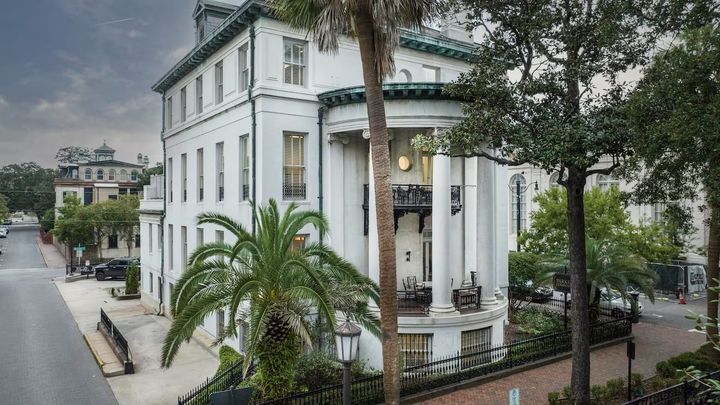
The Yeoman Uriah Brown never lived on the land that is now Cop City. He treated the winning ticket as what it functionally was, a deferred pension—an asset earned by luck, not a home—and he converted it to cash before he could have raised a season's corn on it.
The Merchant Of everything that ever passed through Samuel Philbrick's hands, the 202½ acres on the Weelaunee were the one piece of property the republic simply gave him. He sold it like everything else.
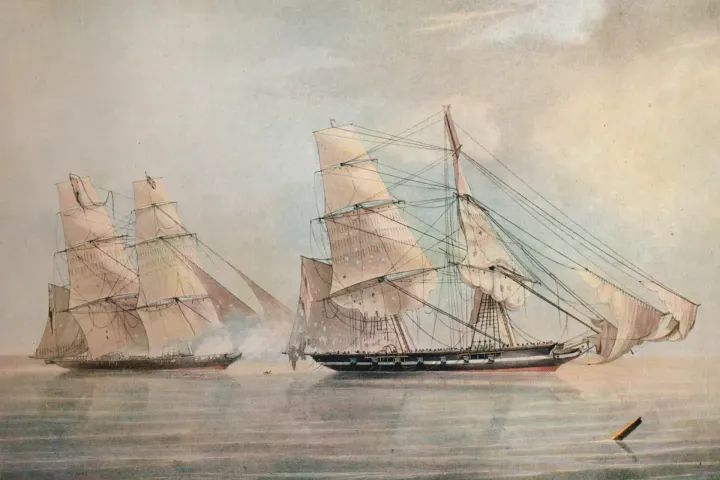
The Privateer On Saturday, February 22, 1823, a little past noon, a man walked into the mayor's office of the City of Savannah to swear out the story of a crime he had helped commit.
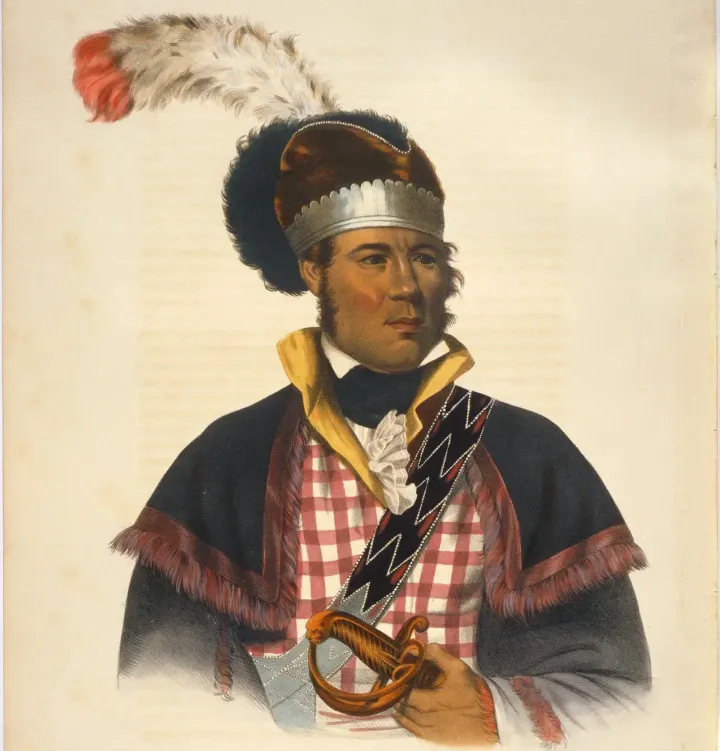
The Broker Every deed, every tax roll, every mortgage and sheriff's sale and quitclaim that touches Lots 82 and 83 of District 15 for the next two hundred years sits on top of a single sheet of parchment with William McIntosh's name on it—first among the Creek signatures, in his own hand.
American Property, American Violence: Introduction Every acre of the United States was owned, at some moment, by someone for the first time. The property did not come before the violence. The violence is what made the property.
From Backfire to Prairieland: Drawing a Line Through 20 Years of Repression What makes the Prairieland sentences notable is not that the government reached for some new authority. It is that it reached for old ones. Every instrument that produced these sentences was built years ago and used against earlier movements.
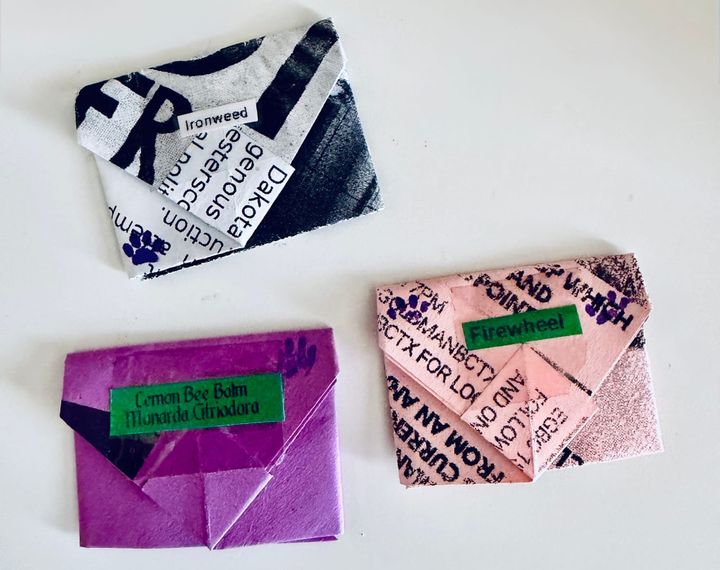
The Seeds of Prairieland The first time I met Savanna, Liz, and Ines, they gave me seeds for my garden. On the day Liz and Savanna were each sentenced to 50 years in prison, I held those makeshift seed packets in my hand and thought about what they represent.
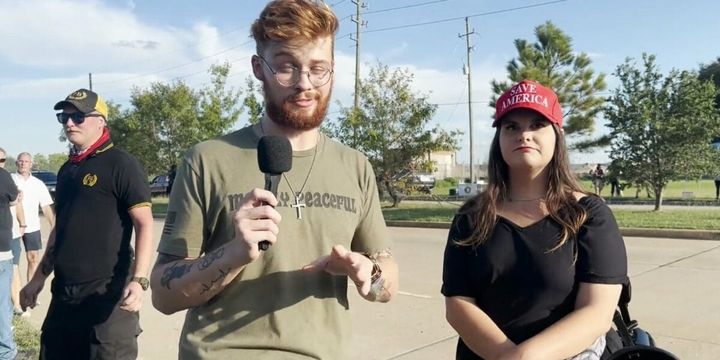
Between neo-Nazis and elected Republicans, Kelly Neidert is a bridge-builder In the right-wing ecosystem of "suits and boots," Neidert excels at building bridges between some of the most and least respectable extremists—and leaving a trail of destruction in her wake.
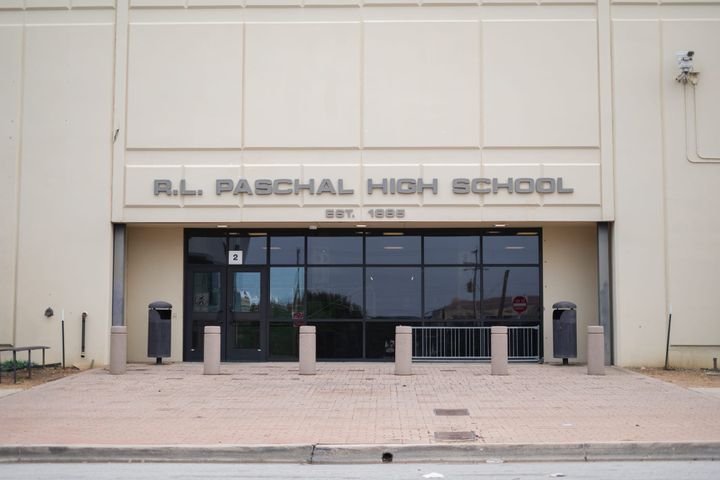
Hyperlocal Hate: Paschal High's Legion of Doom Hate group activity looked different in 1985. It was the era of isolated compounds, paramilitary training camps, pipe bombs, plots to poison the water supply, kill lists, armed standoffs, and vigilante "justice." In Fort Worth, it was the era of teenage neo-Nazis.
Fort Worth's New Nazi Fight Club The Lone Star Active Club, prominently promoting Kieran Morris's participation, may mark an increasingly public connection between Patriot Front and active clubs. It also demonstrates that white supremacists increasingly see Fort Worth as a place to recruit, train, party, and hold public events.
Hyperlocal Hate: Klavern 101 A hundred years ago, white supremacists had no need to rent city facilities for their events. The Fort Worth Ku Klux Klan owned their own.
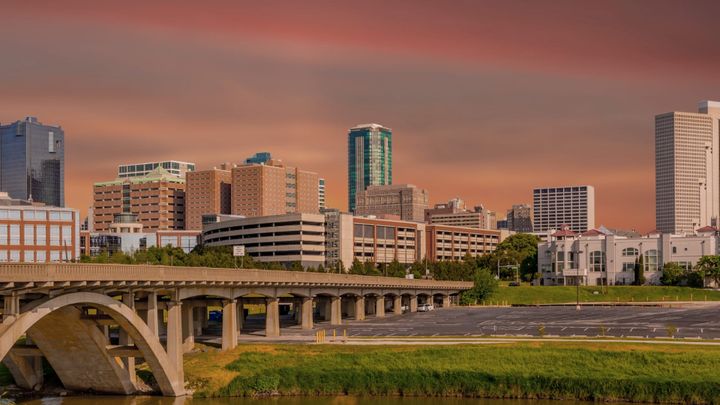
Hyperlocal Hate: Introduction Explore the past and present of hate in a place once considered so chill that a panther could sleep undisturbed in the street. Behind the civic myth-making, the reality is of over 100 years of hate-motivated rallies, lynchings, bombings, animal mutilations, and other acts of violence.