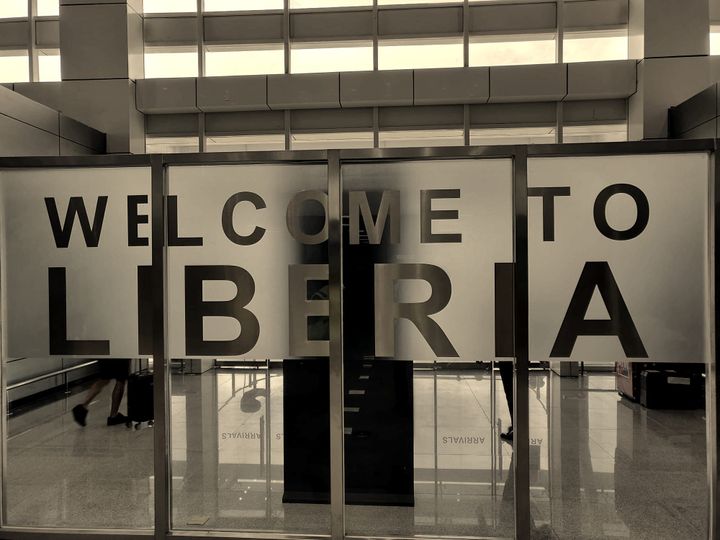
Aliens and native strangers Two hundred years ago, the United States built Liberia as a place to ship its unwanted "aliens." Now it's using the country for the same purpose again.
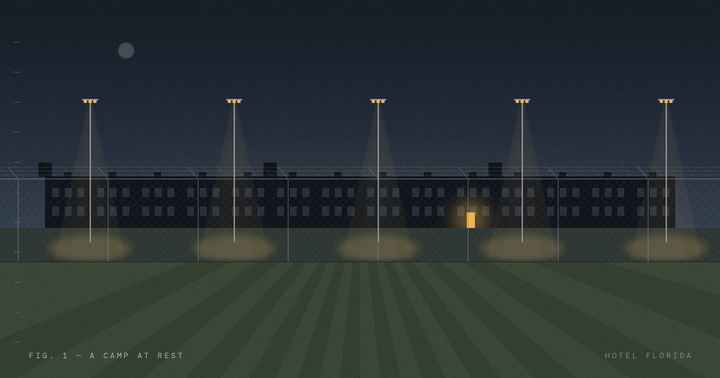
How to Close a Camp, and Keep It Closed John Washington's new manual for fighting immigrant detention, out now from Haymarket Books, and the step past its final page.
The Yeoman Uriah Brown never lived on the land that is now Cop City. He treated the winning ticket as what it functionally was, a deferred pension—an asset earned by luck, not a home—and he converted it to cash before he could have raised a season's corn on it.
The Merchant Of everything that ever passed through Samuel Philbrick's hands, the 202½ acres on the Weelaunee were the one piece of property the republic simply gave him. He sold it like everything else.
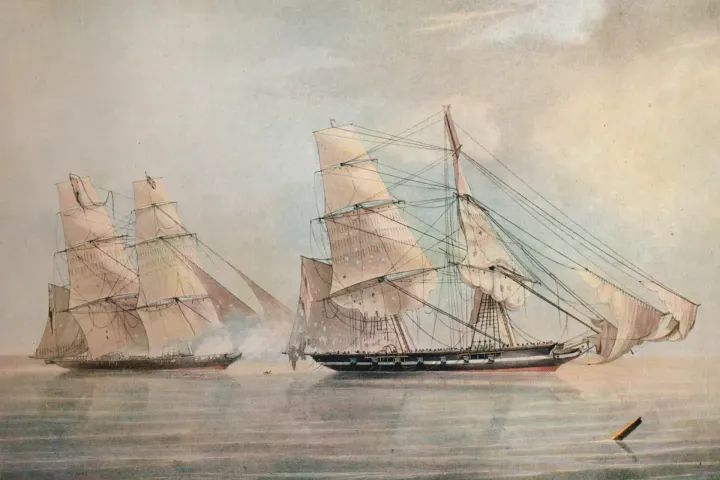
The Privateer On Saturday, February 22, 1823, a little past noon, a man walked into the mayor's office of the City of Savannah to swear out the story of a crime he had helped commit.
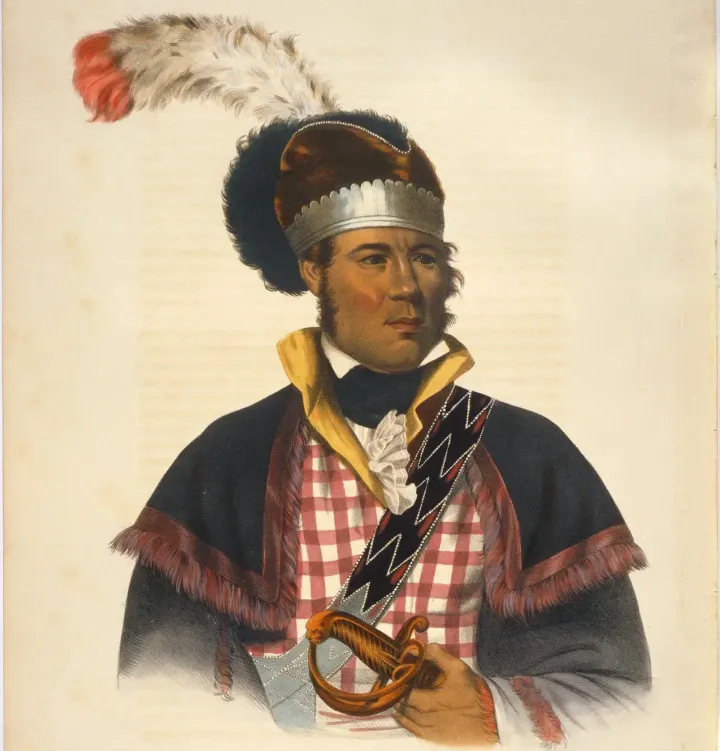
The Broker Every deed, every tax roll, every mortgage and sheriff's sale and quitclaim that touches Lots 82 and 83 of District 15 for the next two hundred years sits on top of a single sheet of parchment with William McIntosh's name on it—first among the Creek signatures, in his own hand.
American Property, American Violence: Introduction Every acre of the United States was owned, at some moment, by someone for the first time. The property did not come before the violence. The violence is what made the property.